perbedaan game Chess Free dengan game poker online Meskipun keduanya adalah jenis permainan yang dapat dimainkan secara online, catur (“Chess”) dan poker menawarkan pengalaman yang sangat berbeda dalam hal gameplay, strategi, dan unsur keberuntungan:
Chess Free (Catur Gratis)
Gameplay:
Chess adalah permainan strategi dua pemain yang melibatkan 16 buah bidak untuk setiap pemain, masing-masing dengan pergerakan tersendiri.
Tujuannya adalah untuk melakukan ‘cekmat’ pada raja lawan, yaitu menempatkan raja dalam posisi di mana ia tidak bisa menghindari diambil pada langkah berikutnya.
Strategi vs. Keberuntungan:
Chess adalah permainan yang sepenuhnya didasarkan pada strategi dan keterampilan, dengan nol elemen keberuntungan.
Multiplayer:
Biasanya dimainkan hanya oleh dua pemain.
Tema dan Visual:
Visual umumnya sederhana dan fokus pada papan catur dan bidak-bidaknya.
Regulasi:
Catur diatur oleh aturan yang ketat dan standar internasional.
Poker Online
Gameplay:
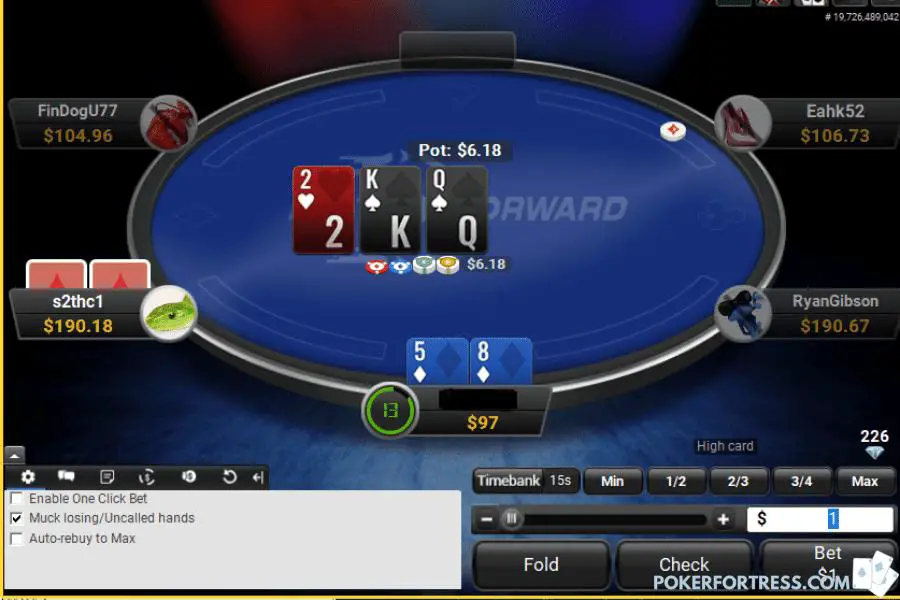
Poker adalah permainan kartu yang melibatkan taruhan, di mana pemain bertaruh berdasarkan kekuatan kartu mereka.
Tujuan utama biasanya adalah memenangkan chip atau uang dengan mendapatkan kombinasi kartu terbaik atau membuat pemain lain mundur dari ronde taruhan.
Strategi vs. Keberuntungan:
Meski strategi dan keterampilan sangat penting, elemen keberuntungan juga memainkan peran besar dalam poker.
Multiplayer:
Dapat dimainkan oleh dua pemain atau lebih (biasanya hingga 8 atau 10 pemain dalam satu meja).
Tema dan Visual:
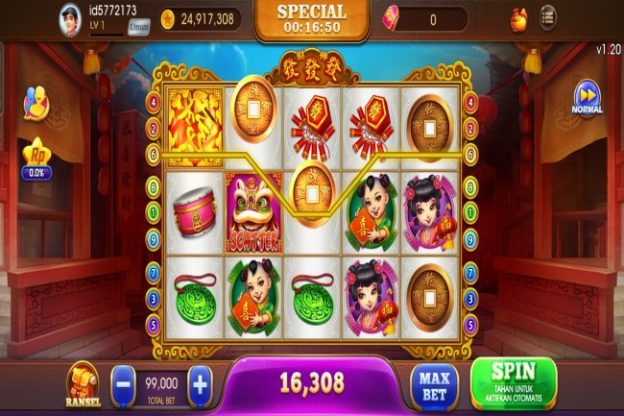
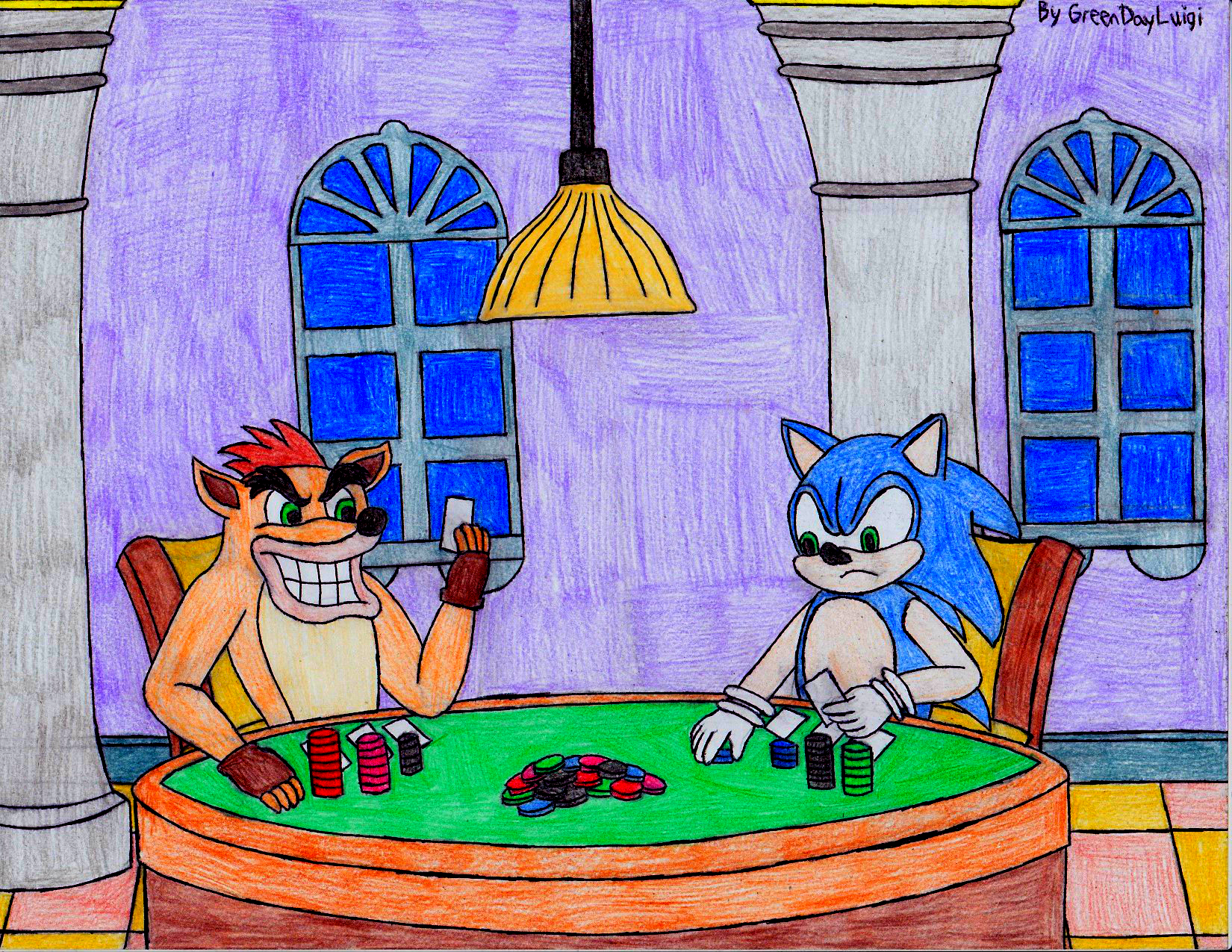
Visual dan tema poker online bisa sangat beragam, dengan beberapa platform menawarkan tema yang berbeda, karakter, dan bahkan mode permainan yang berbeda.
Regulasi:
Regulasi poker bisa bervariasi secara signifikan tergantung pada yurisdiksi dan platform.
Kesimpulan:
Catur adalah permainan yang sepenuhnya strategis, tanpa unsur keberuntungan, dan biasanya melibatkan dua pemain.
Poker melibatkan strategi dan unsur keberuntungan, dapat dimainkan oleh lebih dari dua pemain, dan sering kali terlibat dalam lingkungan yang diatur oleh berbagai regulasi, terutama ketika dimainkan dalam format online dengan taruhan uang nyata.
Dengan kata lain, kedua permainan ini menawarkan pengalaman yang berbeda dan memenuhi kebutuhan yang berbeda bagi para pemainnya, yang dapat mencari tantangan strategis murni atau kombinasi dari strategi dan keberuntungan.
Setiap permainan, baik itu Chess Free atau poker online, memiliki keunggulan tersendiri yang membuatnya menarik bagi para pemain. Mari kita eksplorasi beberapa keunggulan dari masing-masing permainan:
Chess Free (Catur)
Pengembangan Kemampuan Berpikir Strategis:
Melatih pemain untuk merencanakan dan memprediksi langkah-langkah yang mungkin dilakukan oleh lawan.
Zero Element Luck:
Kemampuan dan strategi murni yang menentukan hasil permainan, membuatnya adil dan menantang.
Pendidikan:
Catur dikenal untuk memberikan manfaat edukatif, seperti peningkatan konsentrasi dan kemampuan memecahkan masalah.
Kompetisi Global:
Peluang untuk bersaing di tingkat internasional, mengingat catur adalah permainan yang diakui secara global.
Tidak Memerlukan Biaya Tambahan:
Banyak platform yang menawarkan permainan catur gratis tanpa biaya bermain atau taruhan.
Poker Online
Unsur Keberuntungan dan Keterampilan:
Kombinasi unik antara keberuntungan dan keterampilan, yang memberi setiap pemain kesempatan untuk menang.
Varietas Permainan:
Banyak variasi permainan seperti Texas Hold’em, Omaha, dan lainnya, memberikan variasi pengalaman bermain.
Interaksi Sosial:
Banyak ruang poker online yang memungkinkan interaksi antar pemain, menambah elemen sosial yang kuat pada pengalaman bermain.
Potensi Penghasilan:
Pemain memiliki kesempatan untuk memenangkan uang nyata, yang bisa menambah elemen ketegangan dan kegembiraan.
Kenyamanan dan Kemudahan Akses:
Poker online dapat dimainkan kapan saja, di mana saja, menawarkan kenyamanan yang besar untuk pemain.
Simpulan:
Chess Free biasanya akan lebih menarik bagi mereka yang mencari pengalaman yang sepenuhnya strategis dan menantang dari segi intelektual tanpa ada unsur keberuntungan.
Poker Online mungkin akan menarik bagi mereka yang menikmati kombinasi antara strategi dan unsur keberuntungan, serta interaksi sosial dan potensi penghasilan finansial.
Kedua permainan ini menawarkan pengalaman yang unik dan memiliki basis penggemar yang luas di seluruh dunia, sering kali memenuhi kebutuhan berbeda dan preferensi bermain yang berbeda bagi para pemainnya.
Bonus yang diberikan dalam permainan online seperti Chess Free dan poker online bervariasi dan bergantung pada platform spesifik yang Anda gunakan untuk bermain. Berikut adalah beberapa contoh umum dari jenis bonus yang mungkin Anda temui:
Chess Free (Catur)
Bonus Harian:
Beberapa platform catur online memberikan bonus harian hanya dengan masuk atau check-in setiap hari.
Bonus Pencapaian:
Bonus atau poin tambahan bisa diberikan saat pemain mencapai pencapaian atau level tertentu.
Bonus Undangan:
Beberapa game catur online memberikan bonus kepada pemain yang mengundang teman-teman untuk bergabung atau bermain di platform yang sama.
Poker Online
Bonus Sambutan:
Banyak situs poker online menawarkan bonus sambutan untuk pemain baru yang mendaftar, yang bisa berupa kredit tambahan atau putaran gratis.
Bonus Deposit:
Beberapa platform menawarkan bonus deposit, yang memberikan sejumlah uang atau kredit gratis berdasarkan jumlah deposit yang dibuat oleh pemain.
Bonus Loyalitas:
Sistem loyalitas atau VIP yang memberi bonus kepada pemain POKER88 yang secara konsisten bermain atau menghabiskan uang pada platform.
Bonus Referral:
Memberikan bonus kepada pemain yang mereferensikan teman atau anggota keluarga untuk bergabung dan bermain di situs tersebut.
Bonus Isi Ulang:
Beberapa situs menawarkan bonus isi ulang kepada pemain yang melakukan deposit tambahan.
Tournament Freerolls:
Memberikan akses ke turnamen di mana pemain dapat memenangkan hadiah uang tanpa harus membayar biaya masuk.
Ingatlah bahwa syarat dan ketentuan spesifik akan berlaku untuk semua bonus ini dan pemain harus selalu membaca ketentuan tersebut dengan saksama untuk memahami bagaimana bonus tersebut dapat diklaim dan digunakan. Pastikan juga untuk memverifikasi legalitas dan keandalan platform permainan online sebelum mendaftar atau menerima bonus.
Syarat untuk bergabung dan bermain di platform game online seperti Chess Free atau poker online dapat bervariasi tergantung pada platform dan lokasi. Meskipun demikian, beberapa syarat umum biasanya meliputi:
Chess Free (Catur)
Usia:
Umumnya, permainan catur online dapat diakses oleh semua kelompok usia. Namun, beberapa platform mungkin memiliki batasan usia minimal untuk membuat akun atau berpartisipasi dalam turnamen.
Pendaftaran:
Mendaftar dengan membuat akun, yang biasanya melibatkan pengaturan nama pengguna dan kata sandi.
Koneksi Internet:
Akses ke internet yang stabil untuk memainkan permainan dalam mode online.
Poker Online
Usia Legal:
Dikarenakan sifat perjudian dari poker, pemain harus berusia di atas batas legal perjudian di yurisdiksi mereka (umumnya minimal 18 atau 21 tahun).
Verifikasi Identitas:
Beberapa platform mungkin memerlukan verifikasi identitas untuk memastikan pemain memenuhi syarat usia dan melindungi integritas platform.
Metode Pembayaran:
Jika Anda bermain poker dengan uang nyata, Anda harus memiliki metode pembayaran yang diterima oleh platform (seperti kartu kredit, e-wallet, dll.).
Pendaftaran:
Membuat akun dengan memberikan detail seperti alamat email, nama pengguna, dan kata sandi.
Koneksi Internet:
Seperti catur online, POKER88 poker online juga memerlukan koneksi internet yang stabil dan andal.
Umum untuk Kedua Permainan
Perangkat:
Baik catur dan poker online dapat dimainkan di berbagai perangkat seperti komputer, tablet, atau smartphone.
Software/Aplikasi:
Pemain mungkin perlu mengunduh software atau aplikasi, tergantung pada platform yang dipilih.
Peraturan Platform:
Pemain harus menyetujui syarat dan ketentuan platform dan berkomitmen untuk bermain dengan cara yang adil dan etis.
Pemahaman Aturan:
Memahami aturan dasar permainan dan etiket permainan online.
Catatan:
Selalu penting untuk memeriksa aturan dan persyaratan spesifik platform tempat Anda bermain.
Pastikan untuk bermain secara bertanggung jawab dan dalam batas-batas yang Anda tetapkan untuk diri Anda sendiri, terutama saat bermain permainan yang melibatkan taruhan finansial.
Ingatlah bahwa permainan online harus menyenangkan dan menghibur, dan jika Anda merasa perlu, cari bantuan jika Anda merasa permainan menjadi masalah.
Berikut ini adalah tutorial dasar untuk dua jenis permainan: Chess (Catur) dan Poker Online. Harap dicatat bahwa ini adalah panduan dasar dan kedalaman strategi untuk kedua permainan ini bisa sangat luas dan kompleks.
Chess (Catur)
Tujuan
Tujuan utama dalam catur adalah untuk memberikan ‘cekmat’ pada Raja lawan, yaitu menempatkan Raja dalam posisi di mana tidak bisa menghindari diambil pada langkah berikutnya.
Dasar-dasar Permainan
Papan dan Penempatan:
Papan catur terdiri dari 64 kotak (8×8) dengan warna yang bergantian antara putih dan hitam.
Setiap pemain memiliki 16 bidak: 1 Raja, 1 Ratu, 2 Benteng, 2 Kuda, 2 Gajah, dan 8 Pion.
Cara Bermain:
Pemain dengan bidak putih selalu melangkah pertama.
Setiap jenis bidak bergerak dengan cara yang berbeda. Contohnya, Raja bisa bergerak ke segala arah tetapi hanya satu kotak per langkah, sedangkan Ratu bisa bergerak ke segala arah sejauh mungkin.
Cek dan Cekmat:
‘Cek’ terjadi ketika Raja berada dalam posisi dapat diambil pada langkah berikutnya.
‘Cekmat’ terjadi ketika Raja berada dalam cek dan tidak ada langkah yang dapat dilakukan untuk menghindarinya.
Istilah Penting Lainnya:
‘Skak-bantai’ terjadi ketika pemain tidak dalam cek tetapi tidak memiliki langkah legal yang tersisa.
‘Pionir’ melibatkan aturan khusus untuk pion dan bagaimana mereka dapat dipromosikan.
Strategi Dasar
Kembangkan bidak Anda di awal permainan untuk mengontrol pusat papan.
Lindungi Raja Anda, dan ingatlah untuk selalu periksa apakah Raja Anda dalam ancaman.
Coba untuk merencanakan beberapa langkah ke depan.
Poker Online
Tujuan
Tujuan dalam poker adalah untuk memenangkan chip atau uang dengan mendapatkan kombinasi kartu terbaik atau memaksa pemain lain untuk menyerah (fold) dalam ronde taruhan.
Dasar-dasar Permainan
Kombinasi Kartu:
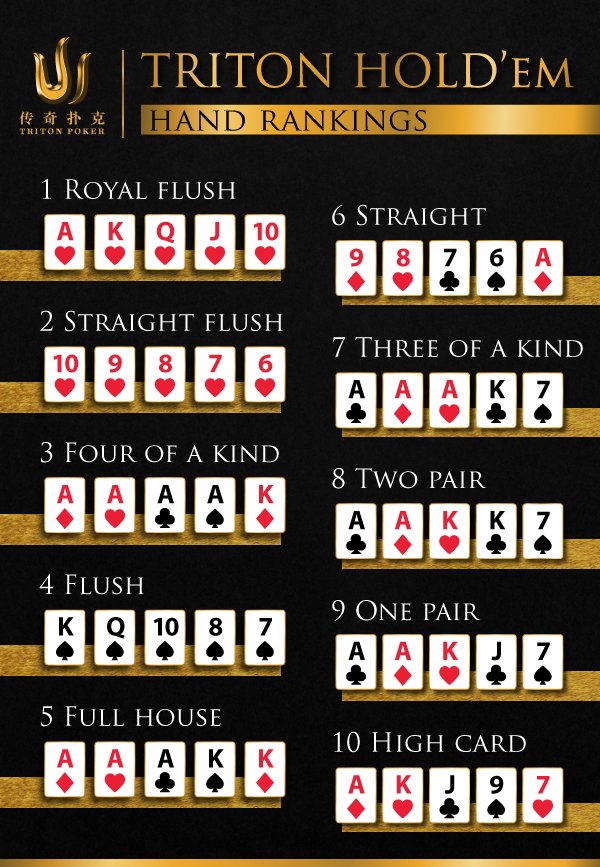
Pelajari nilai kombinasi kartu (seperti Pair, Two Pair, Three of a Kind, dll.) karena ini akan menentukan kekuatan tangan Anda.
Struktur Taruhan:
Setiap variasi poker (seperti Texas Hold’em atau Omaha) memiliki struktur taruhan dan aturan yang sedikit berbeda mengenai bagaimana kartu dibagikan dan cara bertaruh.
Ronde Taruhan:
Biasanya ada beberapa ronde taruhan selama tangan dimainkan, di mana Anda dapat memilih untuk memanggil (call), menaikkan (raise), atau melipat (fold).
Strategi Dasar
Pemilihan Tangan:
Jangan mainkan setiap tangan. Pilih tangan awal Anda dengan bijak dan pastikan Anda bermain dengan posisi yang baik.
Posisi di Meja:
Ingat bahwa posisi di meja adalah kunci dalam poker. Jika Anda adalah yang terakhir untuk bertaruh (posisi terlambat), Anda mendapatkan keuntungan dengan melihat bagaimana lawan Anda bertaruh.
Memperhatikan Lawan:
Amati lawan Anda dan perhatikan pola taruhan dan gaya bermain mereka untuk membuat keputusan yang lebih baik.
Sekali lagi, kedua permainan ini memiliki kedalaman strategis yang besar, dan ini hanya merupakan panduan dasar untuk memulai. Ada banyak sumber daya yang tersedia online untuk strategi yang lebih maju dan rinci untuk kedua permainan. Selamat bermain!
Bermain permainan seperti catur dan poker online bisa memberikan berbagai manfaat kepada pemain, baik dari segi kognitif, emosional, maupun sosial. Berikut adalah beberapa manfaat yang dapat diperoleh dari masing-masing permainan:
Chess Free (Catur)
Meningkatkan Kemampuan Berpikir Strategis:
Mengembangkan kemampuan untuk berpikir beberapa langkah ke depan dan merencanakan strategi.
Meningkatkan Konsentrasi:
Pemain harus fokus pada papan permainan dan memperhatikan langkah lawan untuk dapat merespons secara efektif.
Melatih Memori:
Ingat aturan permainan, pola permainan tertentu, dan berbagai bukaan dapat membantu meningkatkan memori.
Mengembangkan Kemampuan Memecahkan Masalah:
Catur sering melibatkan pemecahan masalah dan pengambilan keputusan yang cepat dan akurat.
Membantu Kesejahteraan Mental:
Bisa menjadi alat untuk relaksasi dan mengurangi stres.
Poker Online
Meningkatkan Kemampuan Pengambilan Keputusan:
Keputusan cepat dan tepat sangat penting, dan pemain belajar untuk membuat keputusan berdasarkan informasi yang terbatas.
Mengembangkan Keterampilan Matematika:
Keterampilan aritmatika dan kemampuan untuk menghitung peluang cepat sering kali menjadi kunci dalam strategi poker.
Meningkatkan Konsentrasi dan Fokus:
Pemain perlu fokus pada detail kecil, seperti tell lawan dan pola taruhan, yang dapat menjadi penting dalam permainan.
Meningkatkan Keterampilan Sosial:
Meskipun dimainkan secara online, poker seringkali adalah permainan sosial yang melibatkan interaksi dan pengembangan keterampilan interpersonal.
Mengelola Tekanan:
Poker bisa membantu pemain belajar bagaimana mengelola tekanan dan menghadapi situasi yang menantang dan tidak pasti.
Manfaat Umum
Hiburan:
Kedua permainan ini menyediakan bentuk hiburan dan kesenangan yang dapat diakses dari kenyamanan rumah Anda.
Interaksi Sosial:
Bermain online dapat memberikan kesempatan untuk berinteraksi dengan pemain lain, yang dapat menjadi penting, terutama dalam konteks isolasi sosial.
Ketangkasan Mental:
Kedua permainan menantang otak dan memaksa pemain untuk berpikir kritis dan strategis, yang bisa membantu menjaga ketajaman mental.
Perlu diingat bahwa meskipun ada manfaat dalam bermain permainan ini, penting juga untuk mempertimbangkan dampak negatif potensial seperti kecanduan permainan atau perjudian. Selalu penting untuk bermain dengan cara yang bertanggung jawab dan seimbang.
Usia yang diizinkan untuk bermain catur dan poker online bisa bervariasi tergantung pada yurisdiksi dan platform spesifik.
Chess Free (Catur)
Usia Umum:
Biasanya, catur dapat dimainkan oleh semua usia karena itu adalah permainan strategi yang tidak melibatkan perjudian.
Beberapa platform mungkin memiliki batasan usia minimal untuk membuat akun atau untuk berpartisipasi dalam komunitas online, seringkali minimum usia 13 tahun dengan persetujuan orang tua diperlukan untuk anak-anak di bawah usia 18 tahun.
Untuk kompetisi tertentu atau level permainan yang lebih tinggi, mungkin ada kategori usia yang spesifik.
Poker Online
Usia Minimum:
Poker, khususnya varian yang melibatkan perjudian, biasanya diatur oleh hukum perjudian lokal dan internasional dan sering kali memerlukan pemain untuk berusia minimal 18 tahun. Di beberapa wilayah atau platform, batas usia mungkin 21 tahun.
Pemain harus menyediakan bukti usia melalui identifikasi yang sah sebelum dapat berpartisipasi dalam perjudian online.
Catatan Penting
Verifikasi:
Terlepas dari jenis permainan, pemain mungkin perlu melakukan verifikasi usia atau identitas, terutama dalam konteks kompetisi, perjudian, atau interaksi dalam komunitas online.
Ketentuan dan Persyaratan:
Penting untuk selalu memeriksa ketentuan dan persyaratan platform permainan spesifik untuk memahami syarat usia dan kriteria lainnya.
Supervisi Orangtua:
Bagi pemain yang masih di bawah umur, supervisi dan izin orang tua penting untuk mencegah pengalaman yang tidak aman atau tidak pantas.
Kecanduan Permainan:
Penting untuk mencatat bahwa baik catur maupun poker (khususnya) bisa menimbulkan potensi risiko kecanduan permainan dan harus dimainkan dengan cara yang bertanggung jawab.
Setiap platform atau aplikasi permainan online harus menyediakan informasi ini di bagian “Syarat dan Ketentuan” atau “Kebijakan Privasi” mereka. Selalu baik untuk memeriksa informasi ini sebelum mendaftar atau mulai bermain.












































 On line casino wars: Powerful as well as Ever-Shifting Match participate in









 Perbedaan Game Final Fantasy XV Pocket Edition dengan game poker online ialah dua tipe games yang berlainan baik dari sisi gameplay, tujuan, atau audience sasaran. Berikut beberapa ketidaksamaan fundamental di antara ke-2 nya: